Pagosa Riverside, Pagosa Springs, CO
The drive from Durango to Pagosa Springs was pretty straightforward., just beautiful countryside with ranches and very scenic San Juan National Forest.
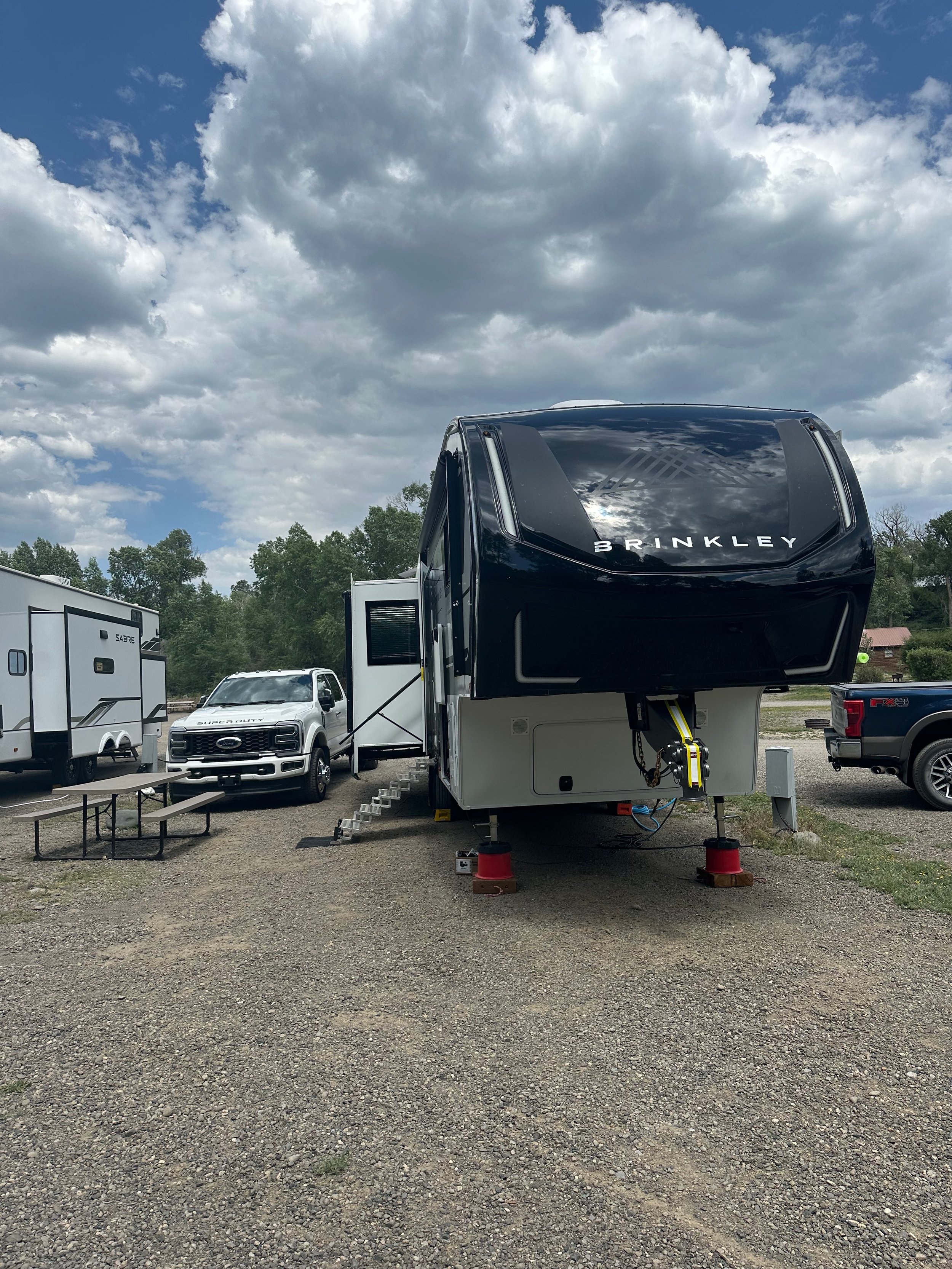
The campground is east of town. We had to drive through the historic downtown on Saturday, with all the associated traffic, so it was nerve-racking. We had a riverfront site for one night, but then we had to move to a row behind it.
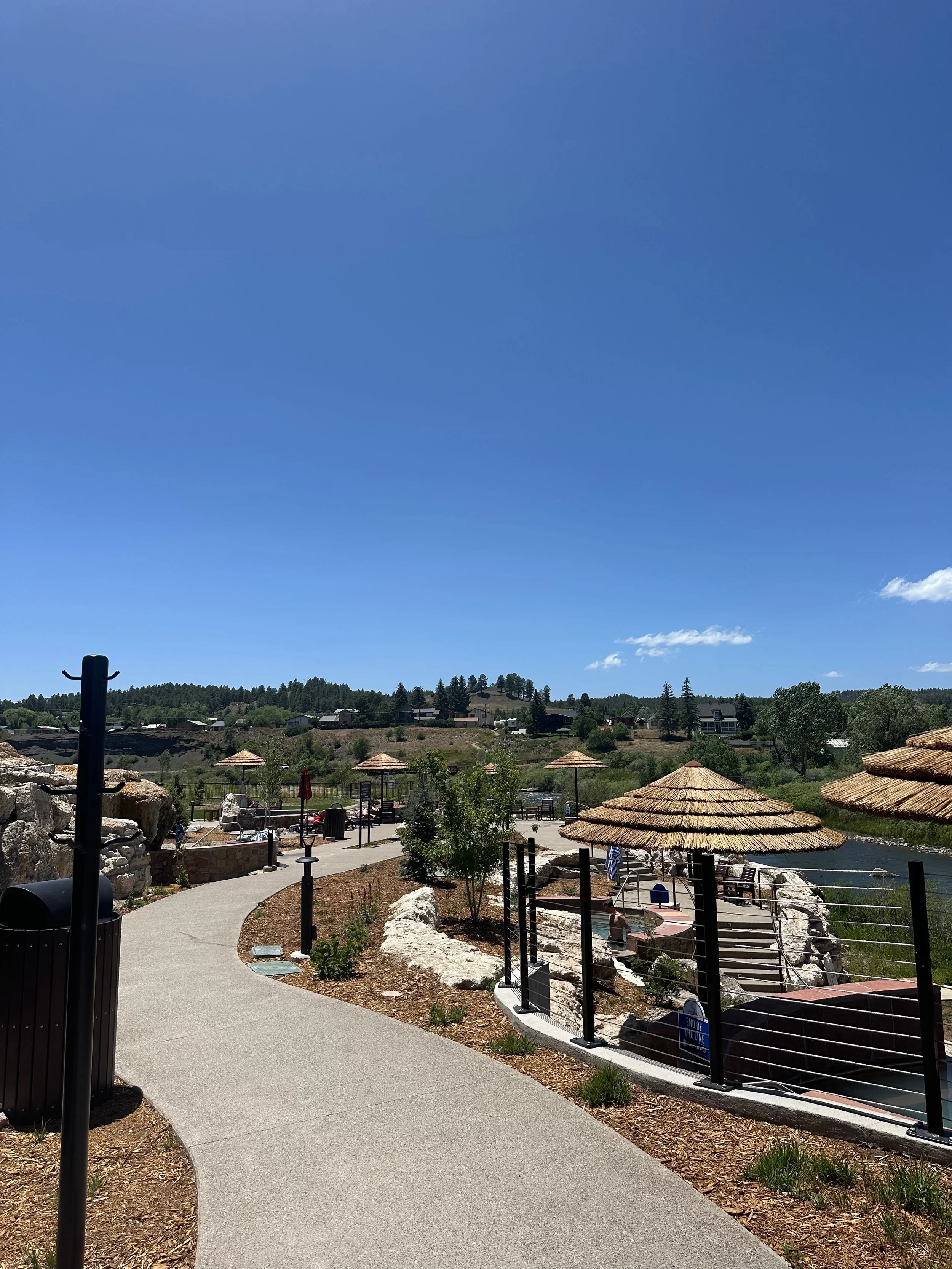
Pagosa Springs are famous for their natural hot springs. The name Pagosa is derived from the Ute language, meaning "boiling waters" or "healing waters." The hot springs "mother" is right downtown; the water contains mineral salts such as magnesium, potassium, sodium, silica, and others. We learned that they use geothermal energy to heat water for usage in surrounding areas.
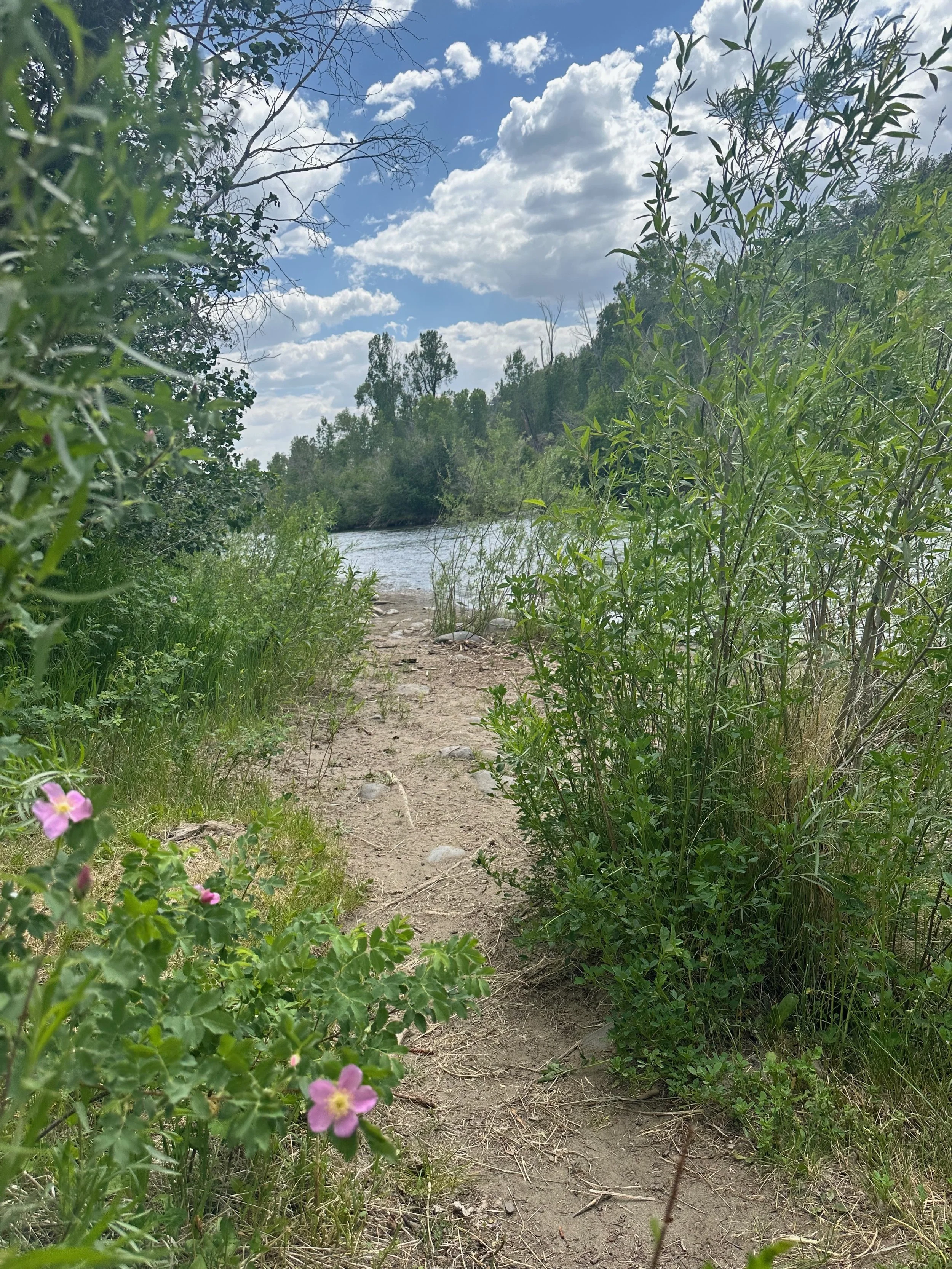
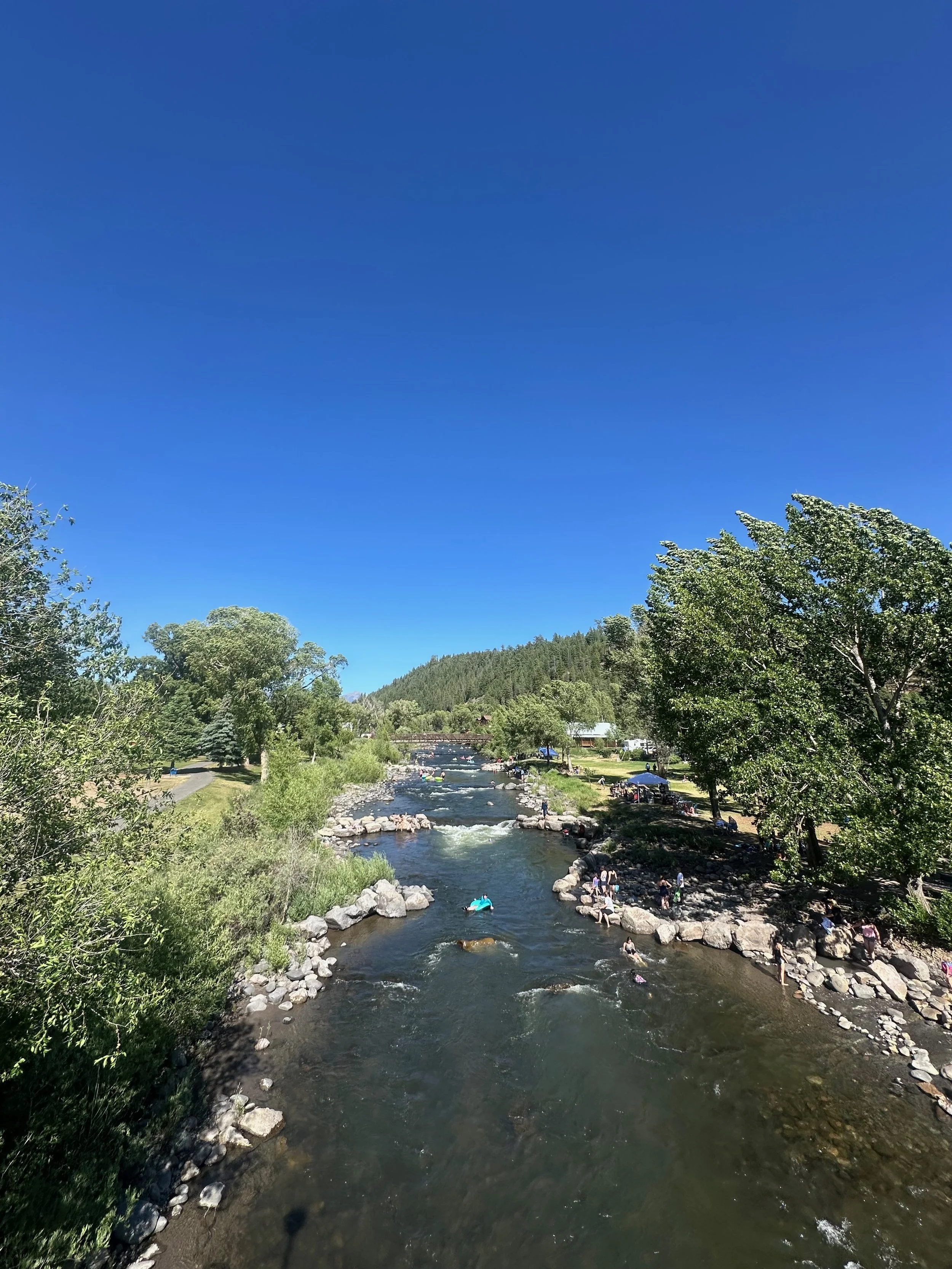
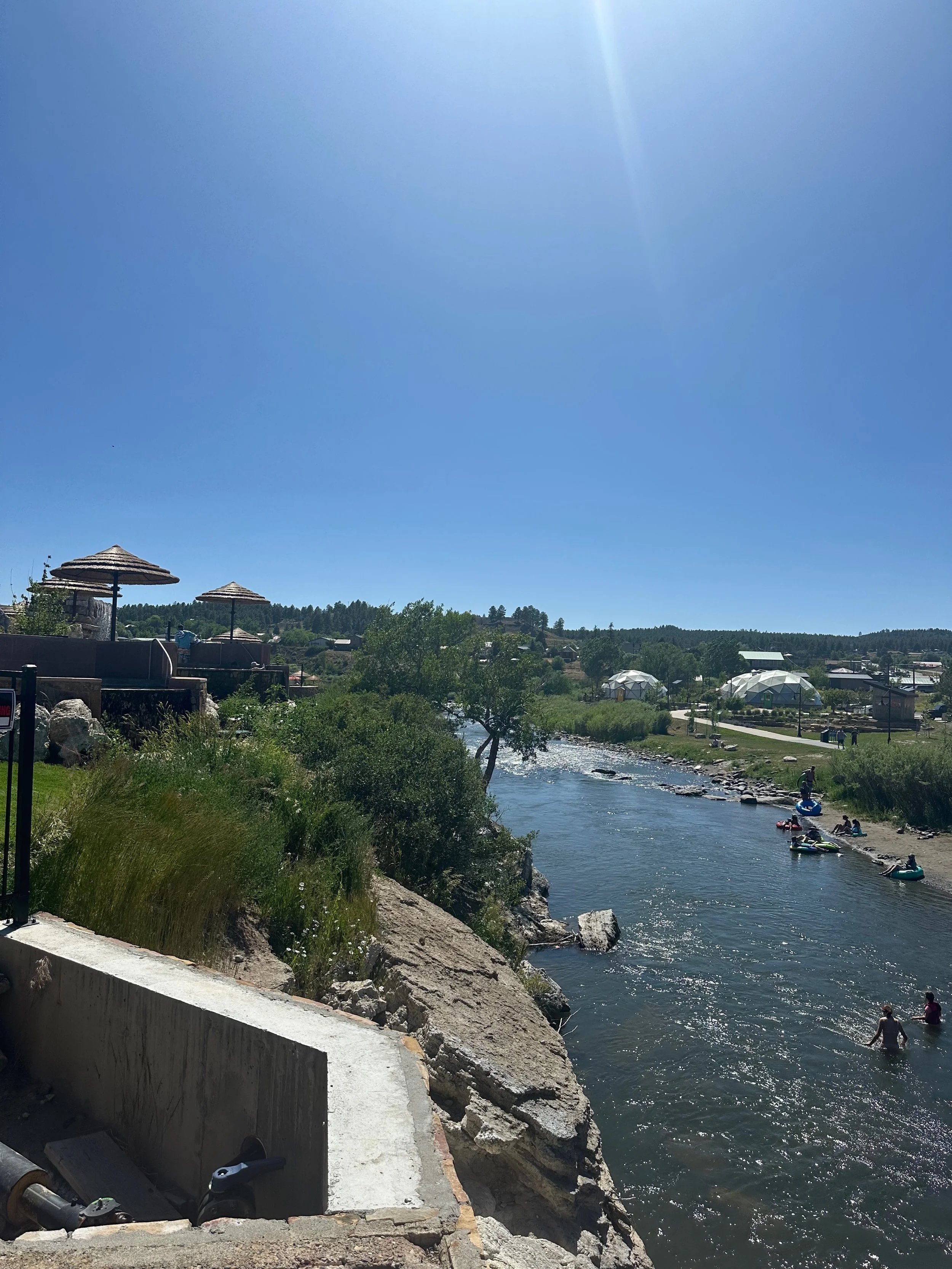
San Juan River runs through our campground and the town. The "hot springs" water is diverted into small pools on the riverside. Kids and adults bring floaties and go down the river, slashing and laughing. Downtown has nice shops, a few restaurants, and, of course, an ice cream place. It's tough with major construction in that area, so we tried to patronize these small businesses.

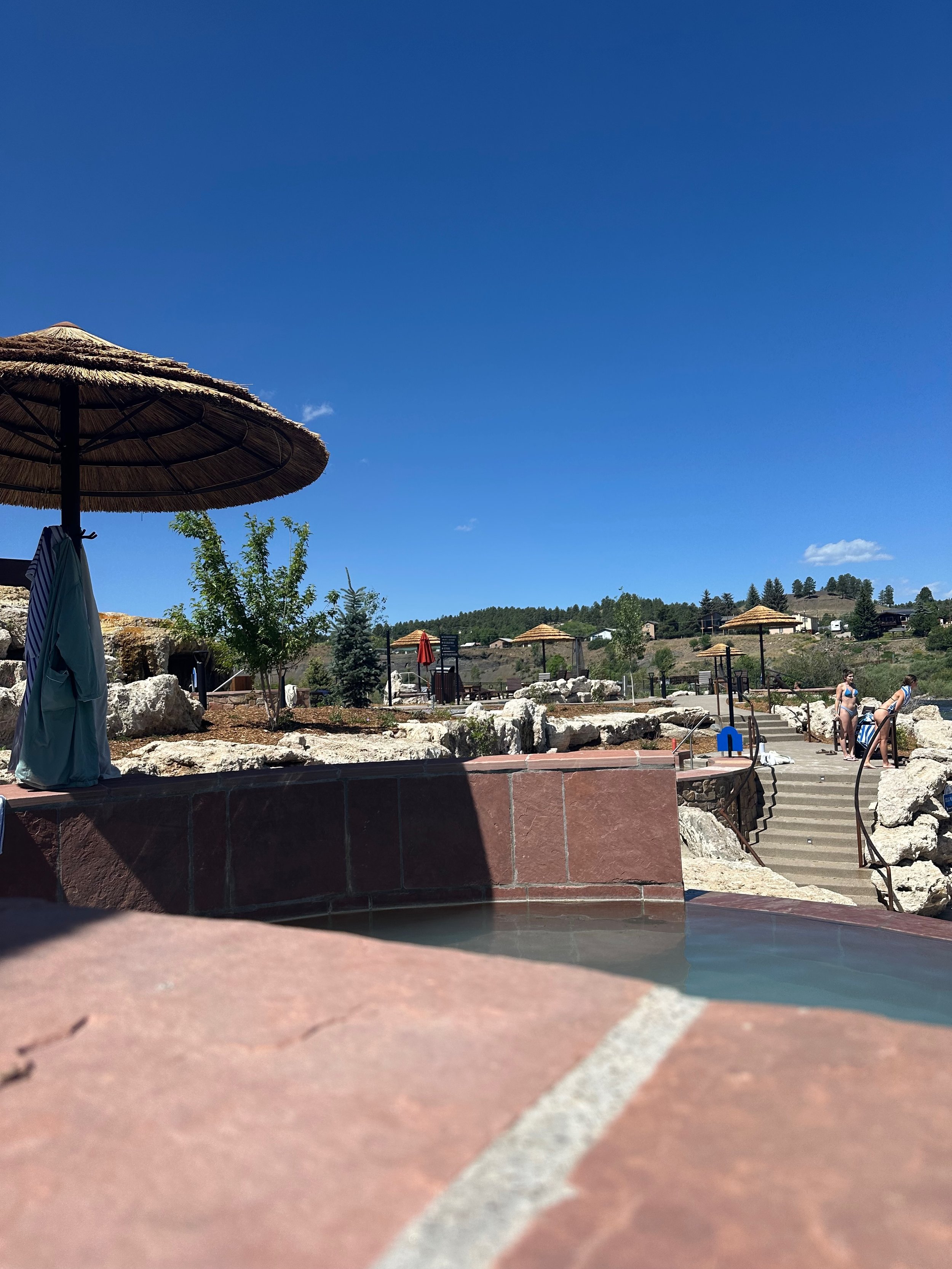
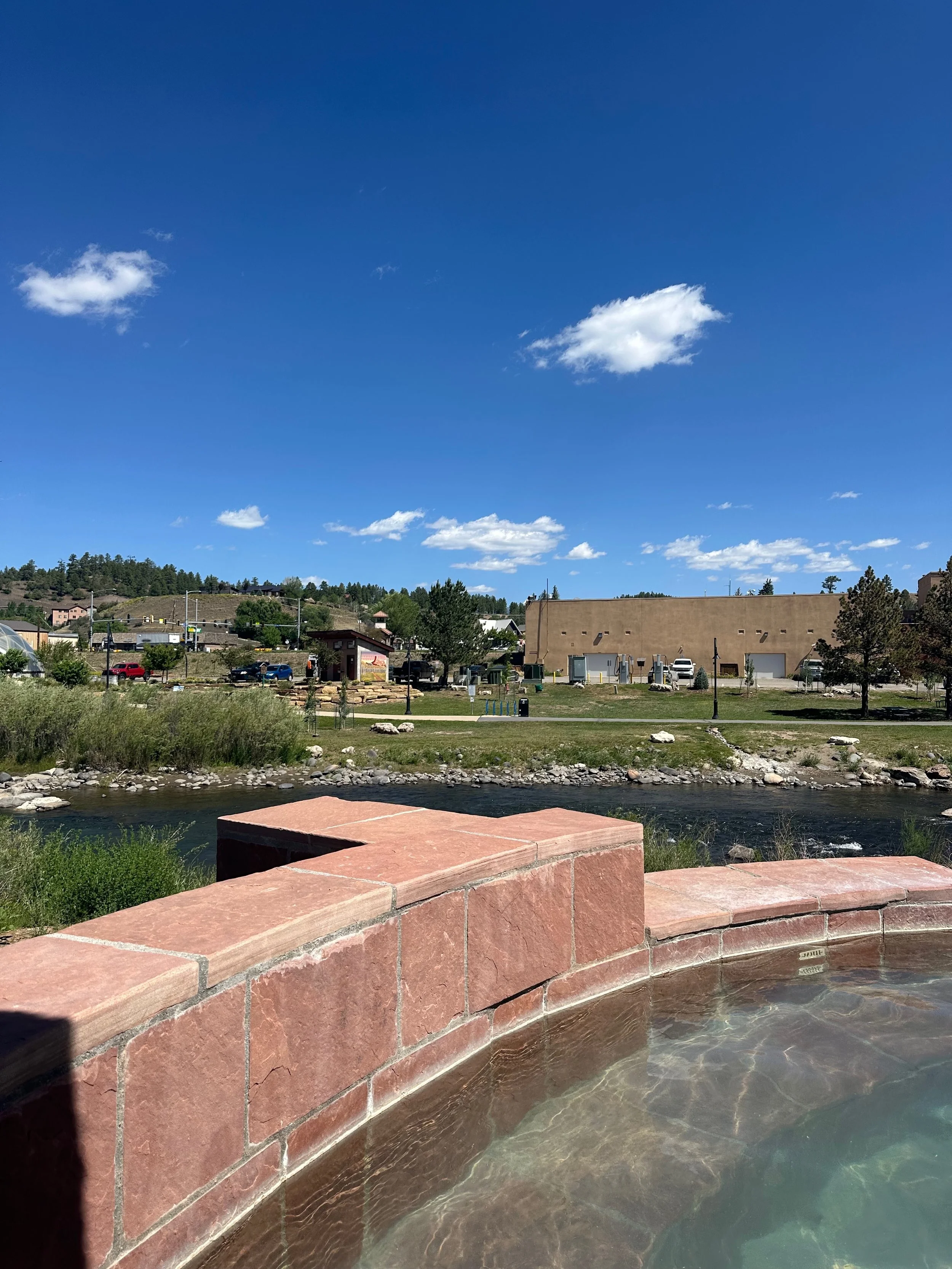
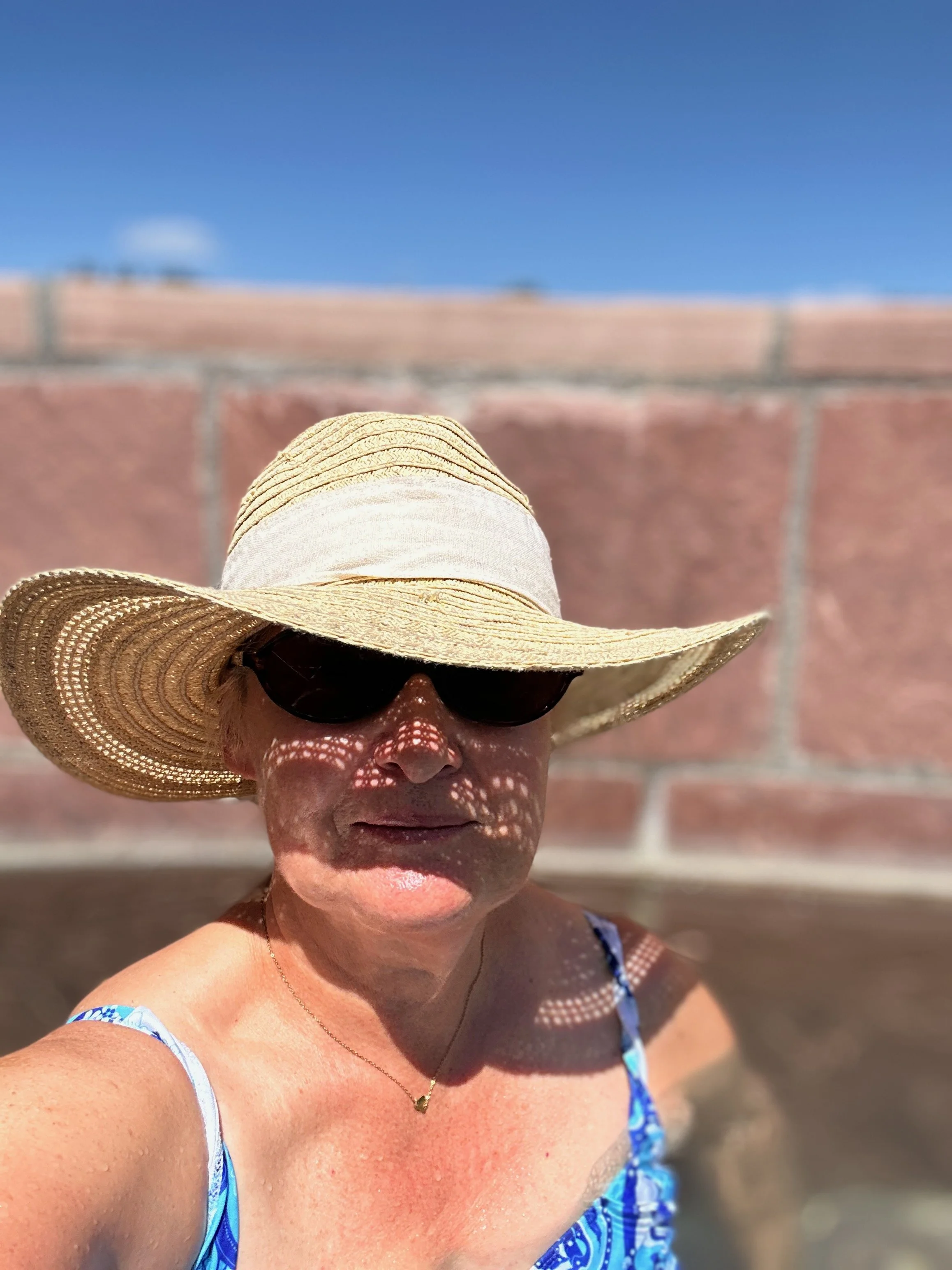
The Springs Resort is the largest hot springs spa in the area. We made appointments for massage, which included access to adult-only hot springs and the traditional hot springs. The experience was terrific; the pools were small, accommodating 5-6 people at most, but there were plenty of them. The resort staff posted the temperature outside each pool and checked periodically. And, of course, the massage was excellent; it had been a long time since I had one.
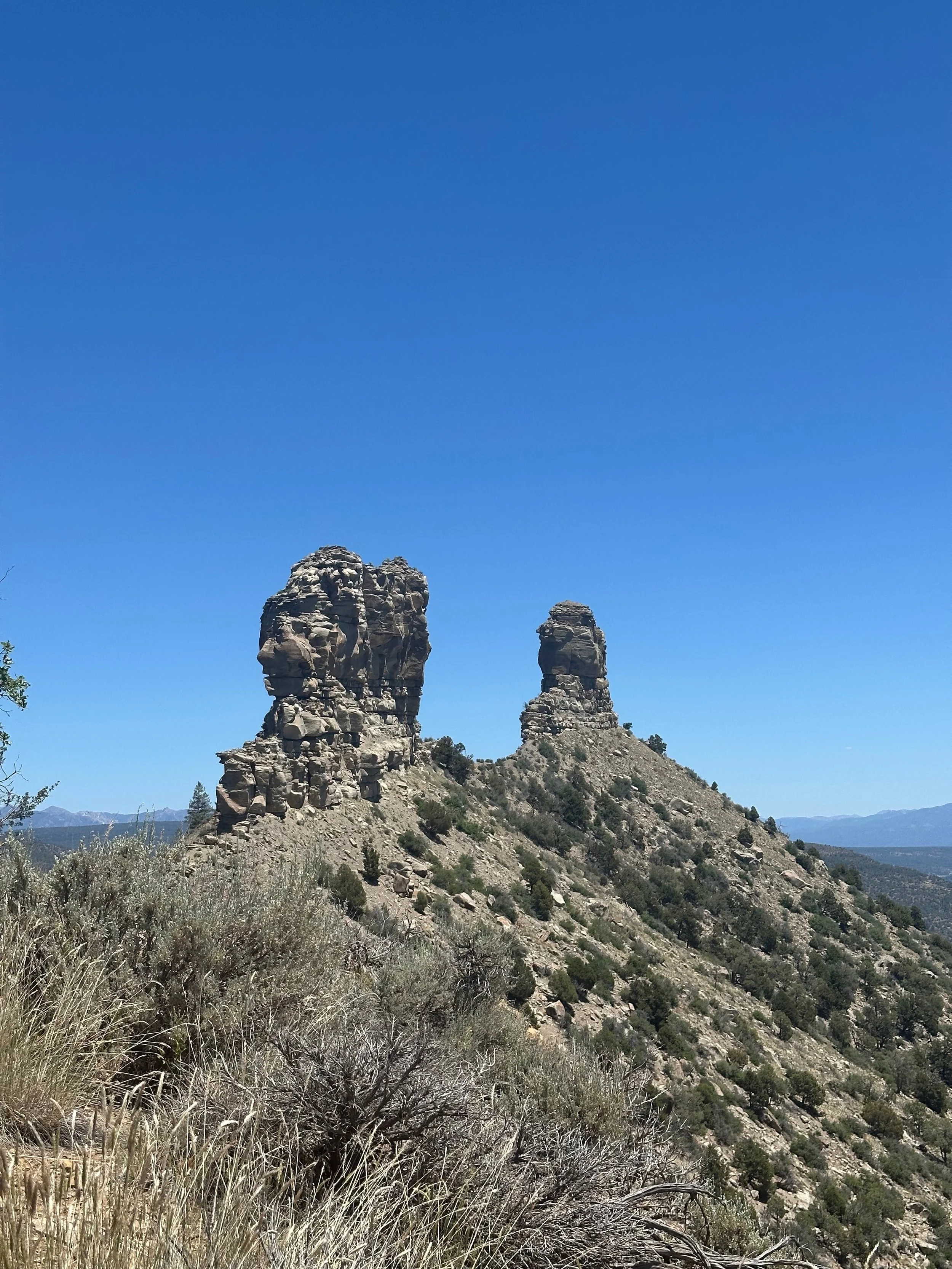
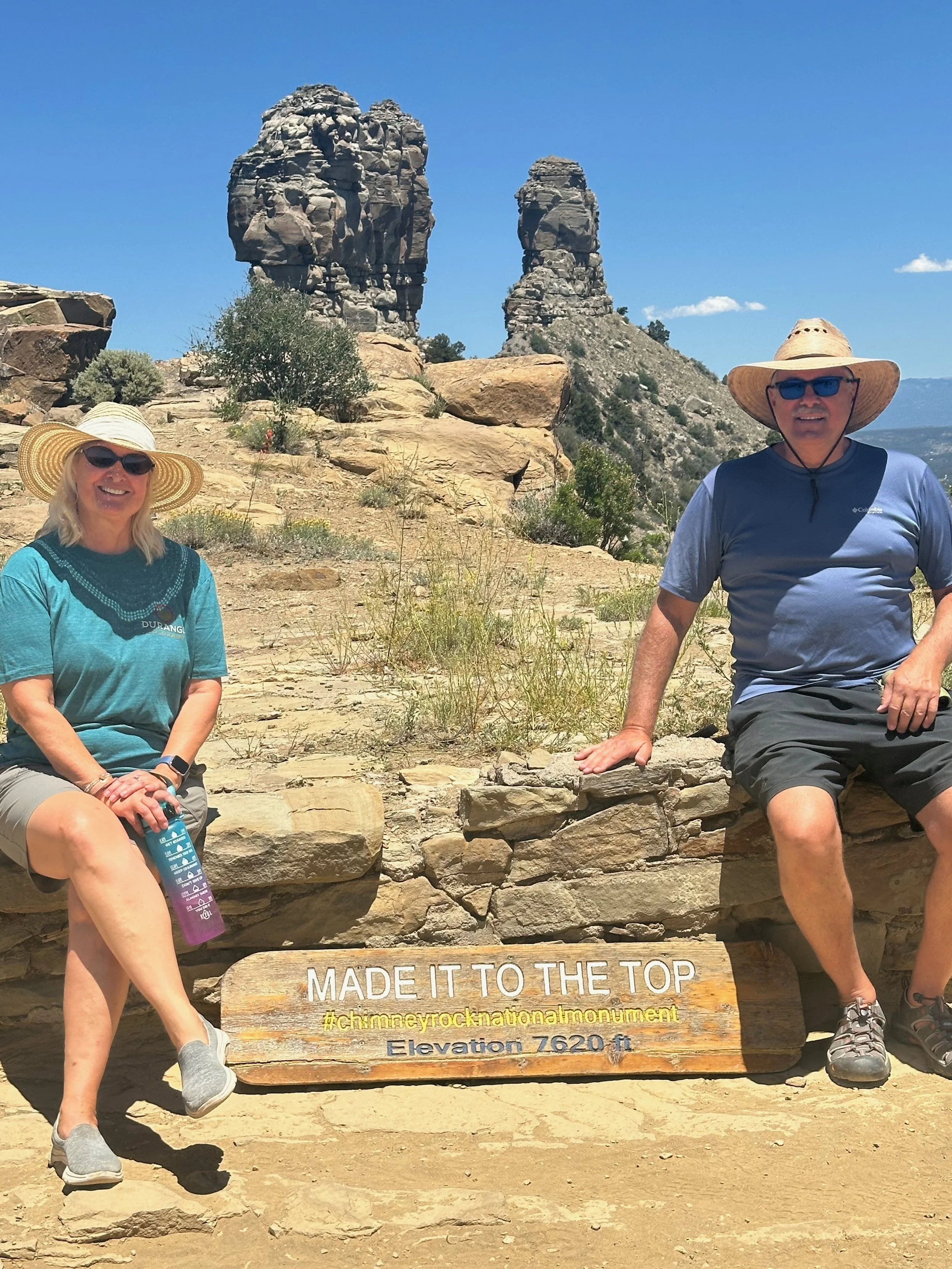
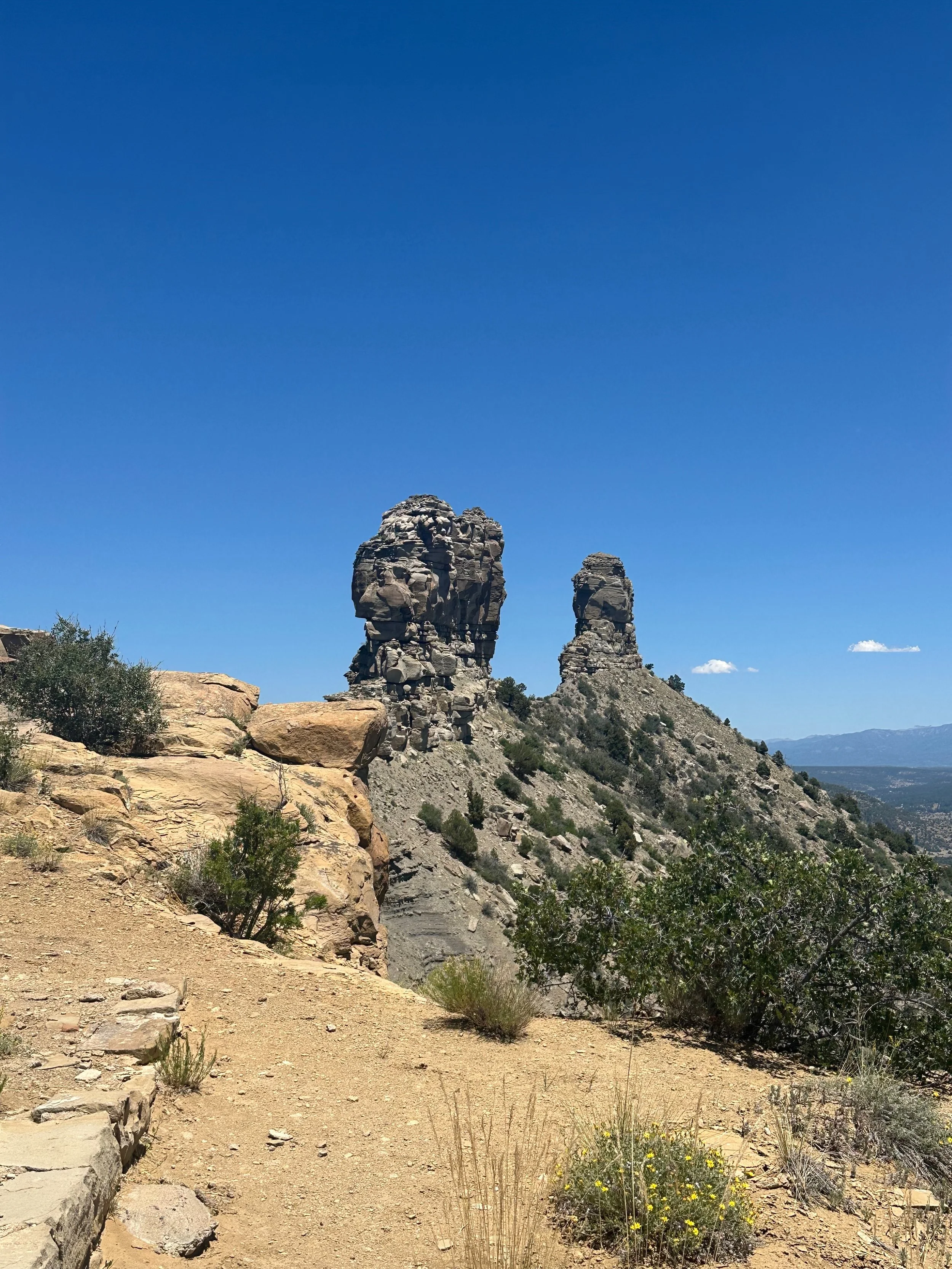
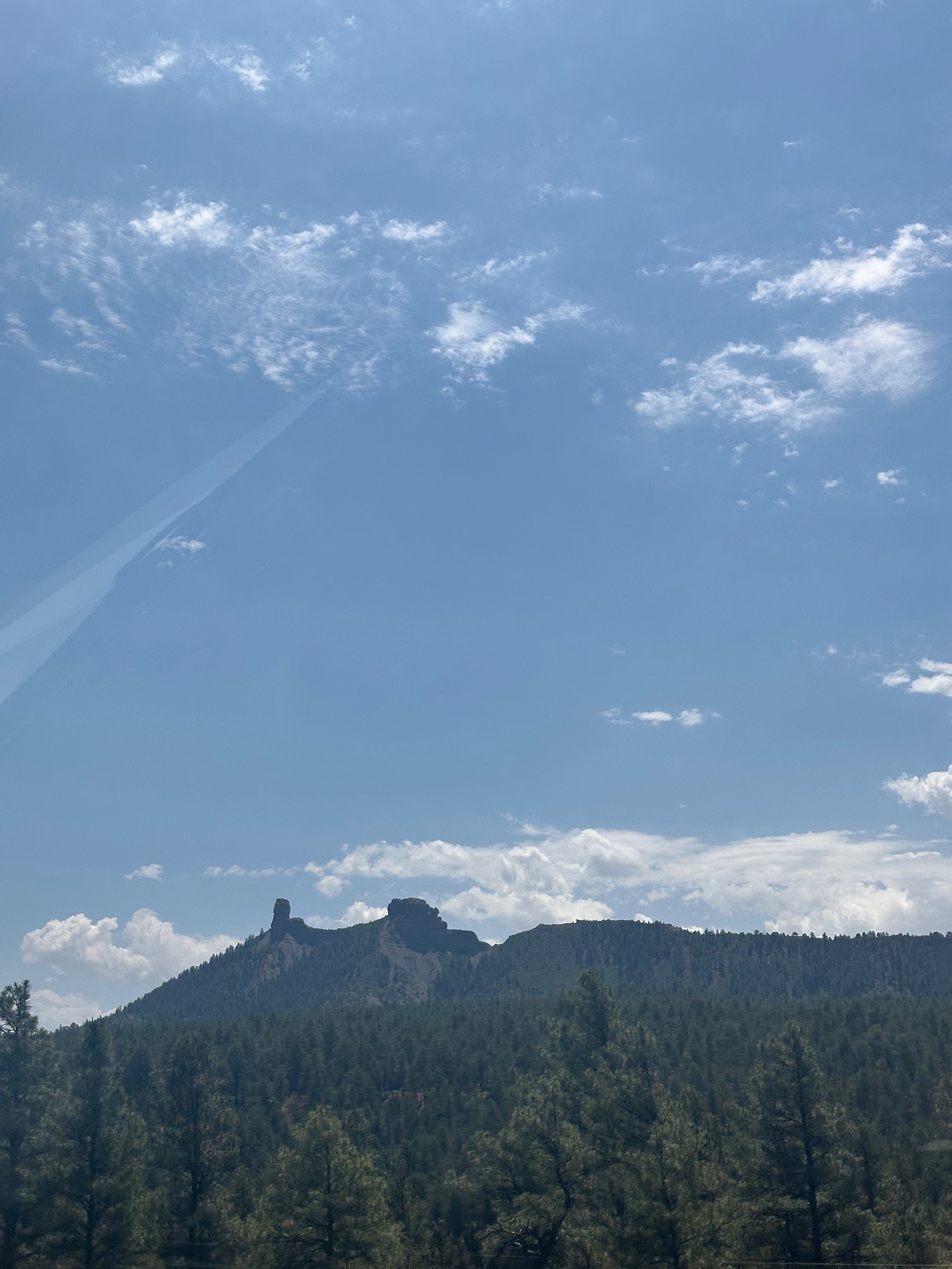
Approximately 30 minutes west of town is Chimney Rock National Monument, which features indigenous ruins. We drove to explore it, and I drove the "beast." The Visitors Center is located on road level, but the archaeological site is situated on the ridge above, approximately a two-mile drive away. There are two main areas: the lower one, with a couple of pit houses and a midden or refuse heap.
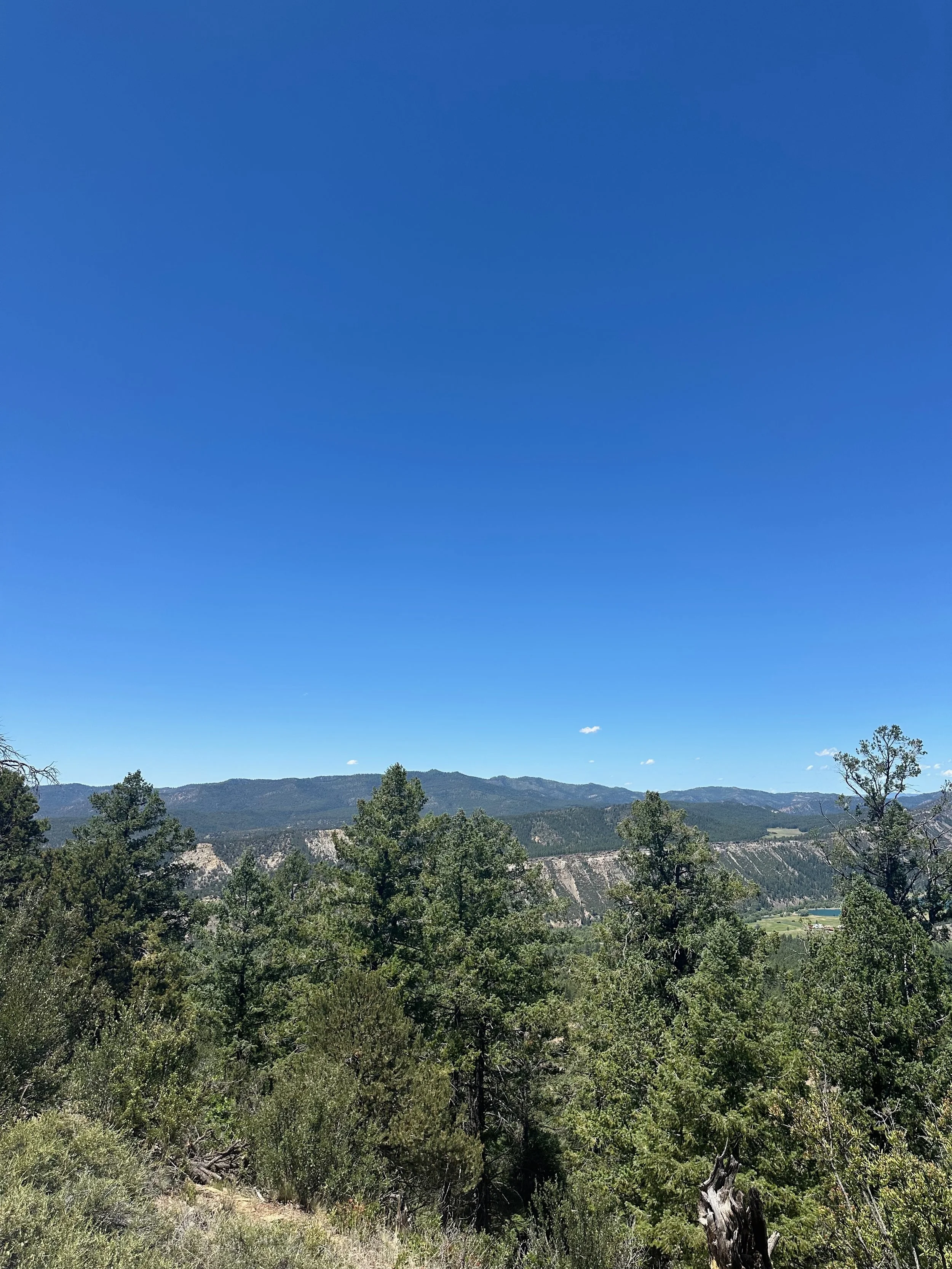
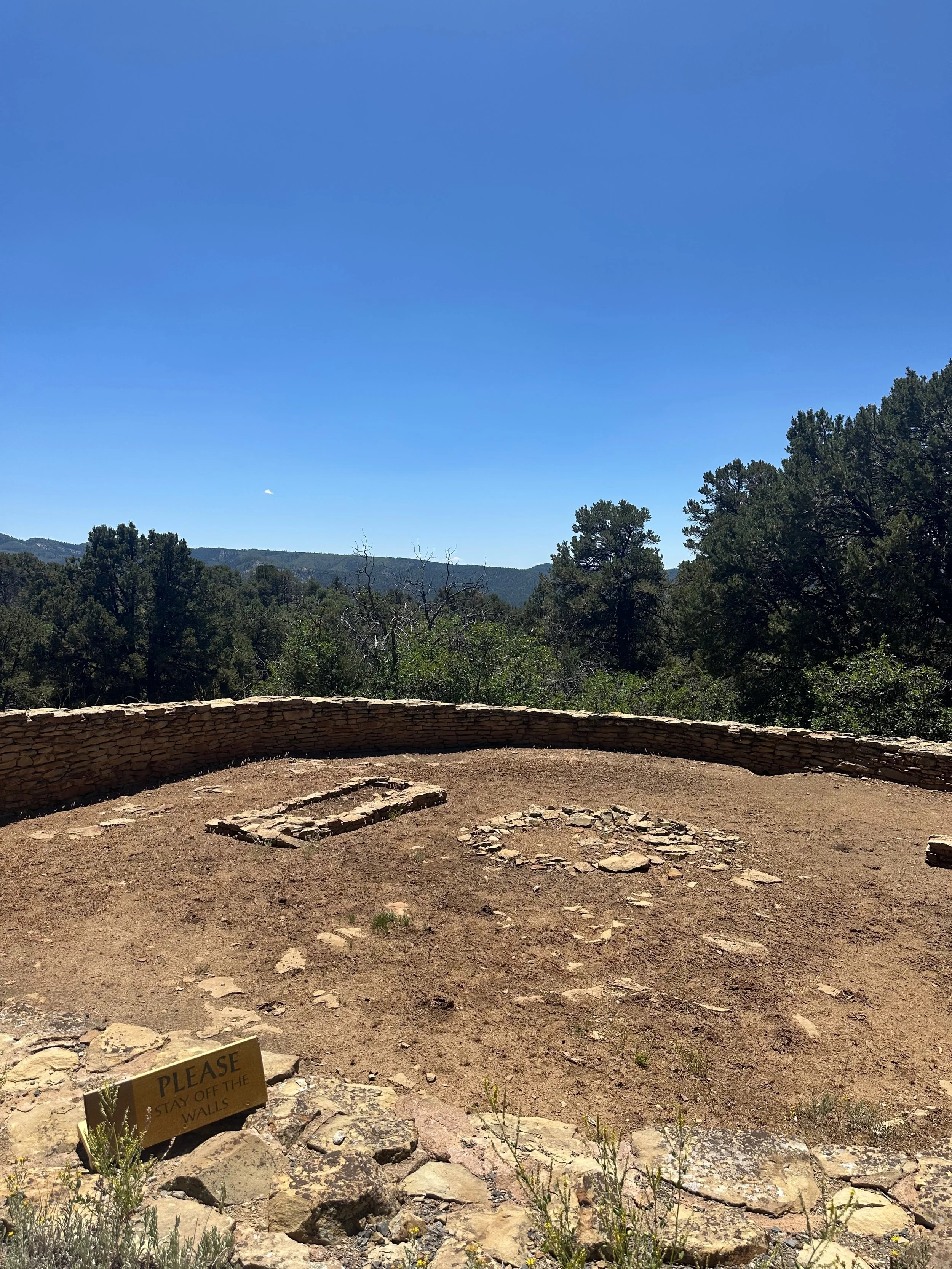
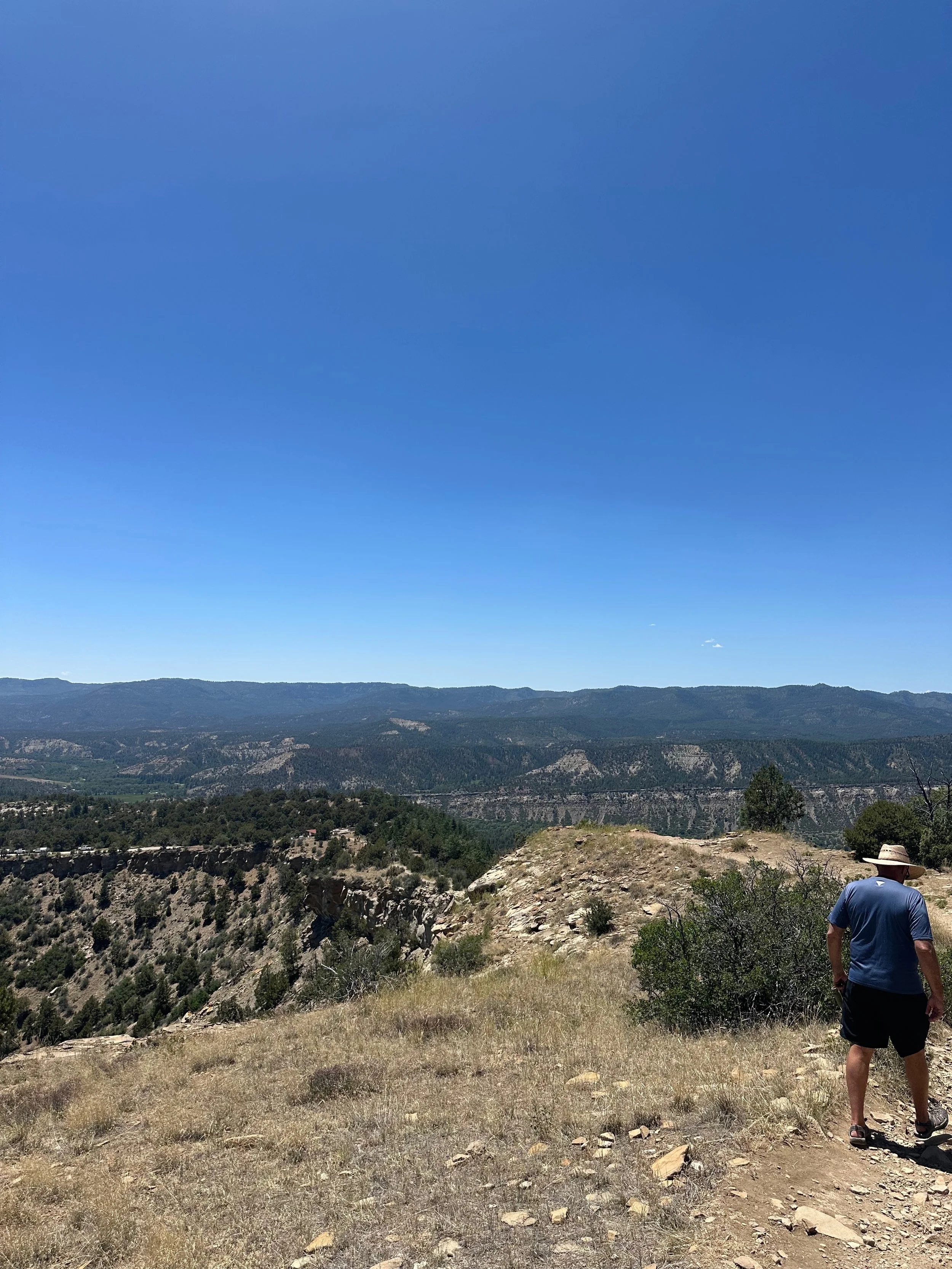
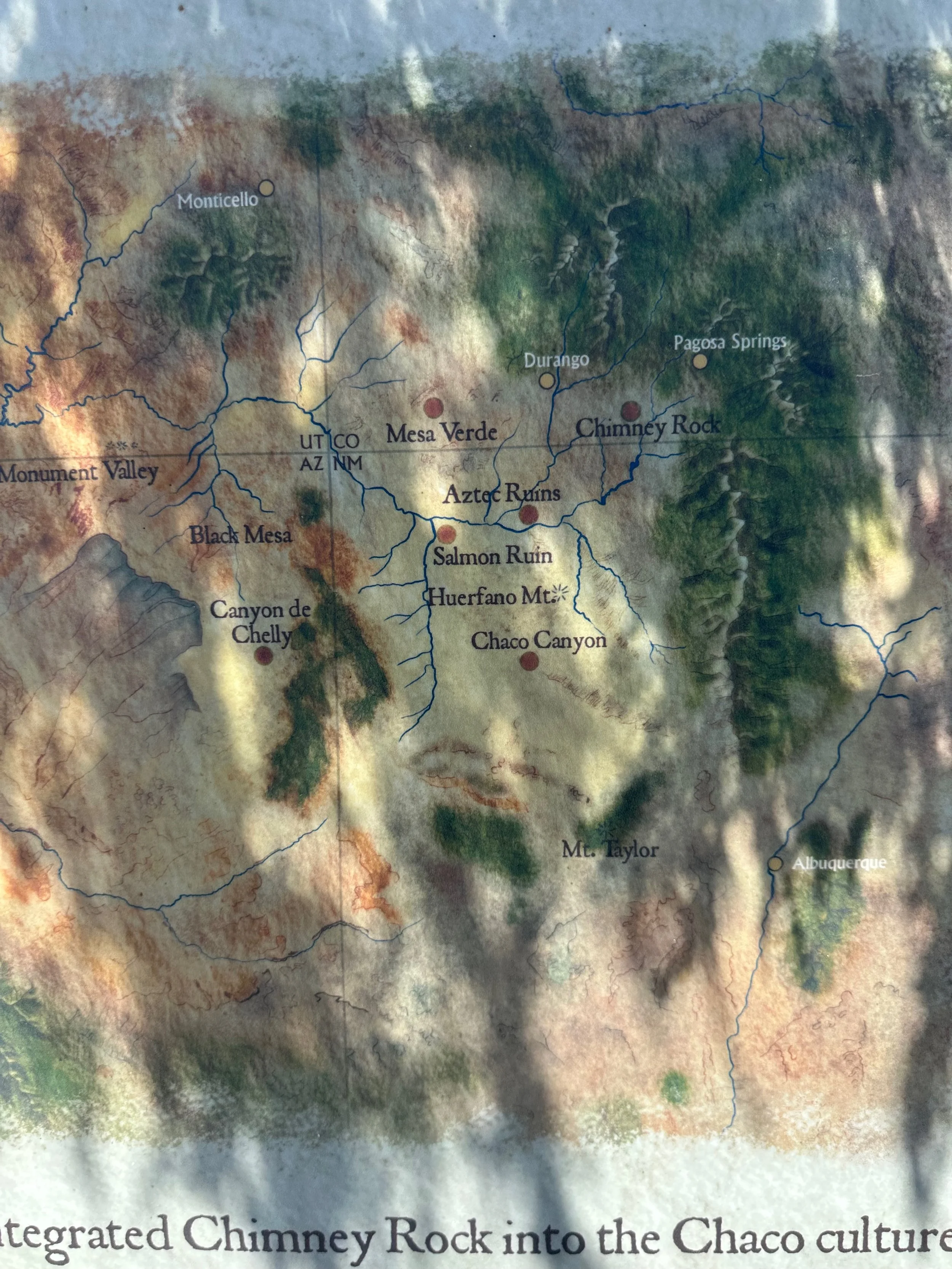
The weather was perfect for a walk; we explored the lower side and then hiked up to the upper ridge. A couple of hundred feet of elevation gain later and some fantastic views on the way, we got to the "Great Kiva." Luckily, we encountered Range Danny, who had an incredible amount of information about the site. Chimney Rock was part of Chacoan culture; Choco Canyon is about 90 miles south. It was occupied for approximately 200 years by around 2,000 people, after which, around 1100 AD, the population relocated to New Mexico's Taos Pueblo or Mesa Verde. The priests and elders residing in the upper area used the two rock formations as a calendar, tracking the movements of stars, the moon, and the sun. Some artifacts indicate trade with Central American cultures, as well as those on the West Coast. Chimney Rock and other sites indicate a thriving, fairly cosmopolitan culture. We loved this visit.
Once back at our campground, we got ready to leave for Gunnison, CO, and the drive through Wolf Creek Pass.